
Serum vs. Moisturizer: What’s the Difference?
Serums and moisturizers are both essential components of a skincare routine, but they serve different purposes. Serum Lightweight: Serums are typically lightweight, water-based formulas that penetrate the skin more deeply than moisturizers. Active ingredients: They are packed with concentrated active ingredients, such as vitamins, antioxidants, and peptides, that target specific skin concerns. Tar
1 min read
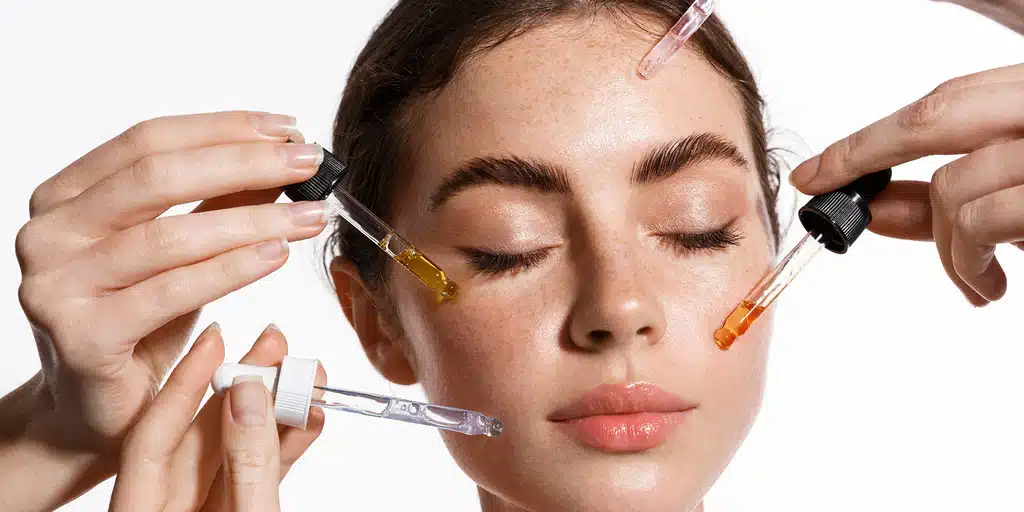
Serums and moisturizers are both essential components of a skincare routine, but they serve different purposes.
Serum
Lightweight: Serums are typically lightweight, water-based formulas that penetrate the skin more deeply than moisturizers.
Active ingredients: They are packed with concentrated active ingredients, such as vitamins, antioxidants, and peptides, that target specific skin concerns.
Targeted benefits: Serums are designed to address specific skin issues, such as aging, acne, or hyperpigmentation.
Moisturizer
Hydration: Moisturizers are primarily designed to hydrate the skin by forming a protective barrier that prevents moisture loss.
Occlusive properties: They often contain occlusive ingredients, such as shea butter or petrolatum, that help to seal in moisture.
General hydration: Moisturizers provide general hydration and protection for the skin.
When to use:
Serum: Apply a serum after cleansing and toning, but before moisturizing. This allows the serum to penetrate the skin more effectively.
Moisturizer: Apply a moisturizer as the final step in your skincare routine to seal in the benefits of the serum and provide a protective barrier.
In summary
Serums are lightweight formulas with concentrated active ingredients that target specific skin concerns.
Moisturizers are designed to hydrate the skin and provide a protective barrier.
For optimal skin health, it’s recommended to use both a serum and a moisturizer in your skincare routine.